



Three steps to a printed page
-
Pick a grid type and the spacing between lines.
-
Choose a colour and line weight. Light grey stays out of the way of your drawing.
-
Press Print, with scale at 100% or "Actual size".
Which graph paper do I need?
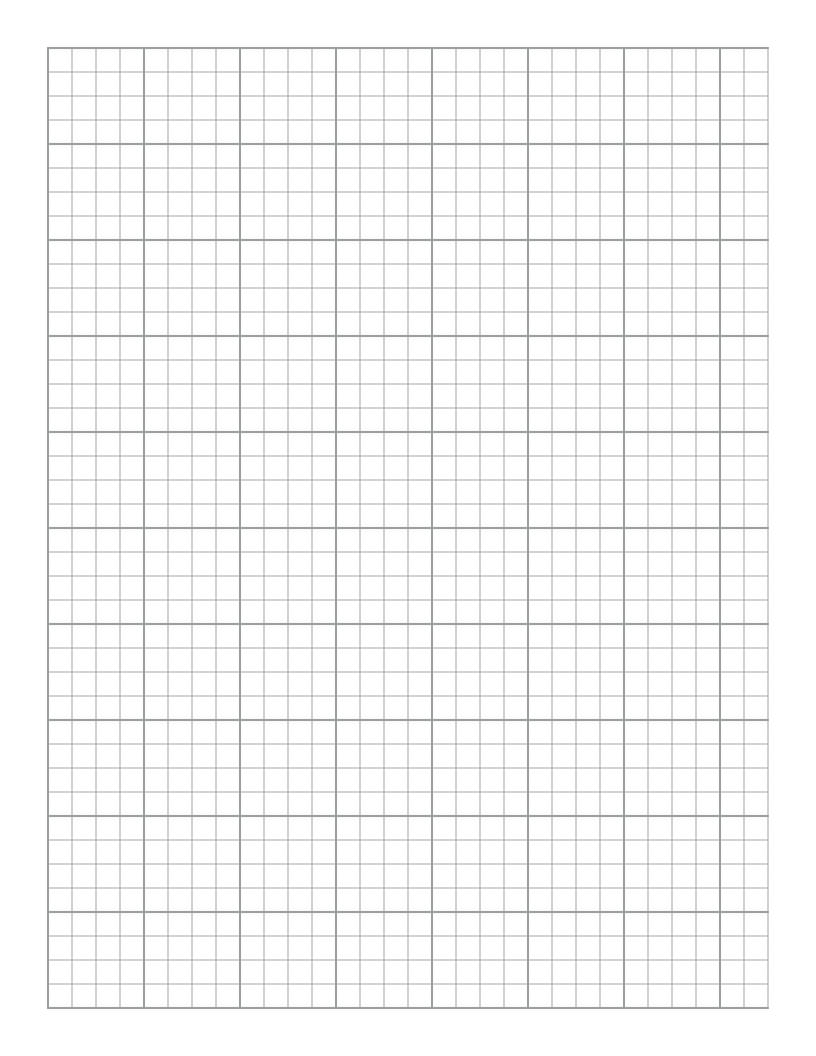
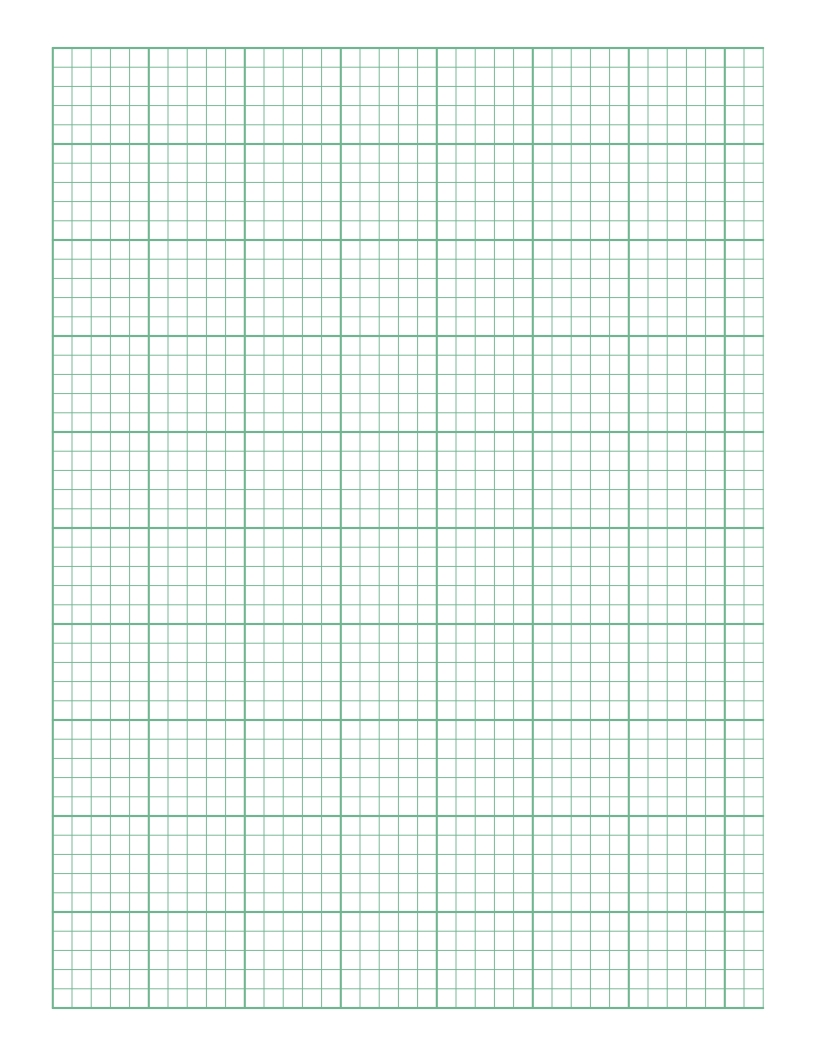
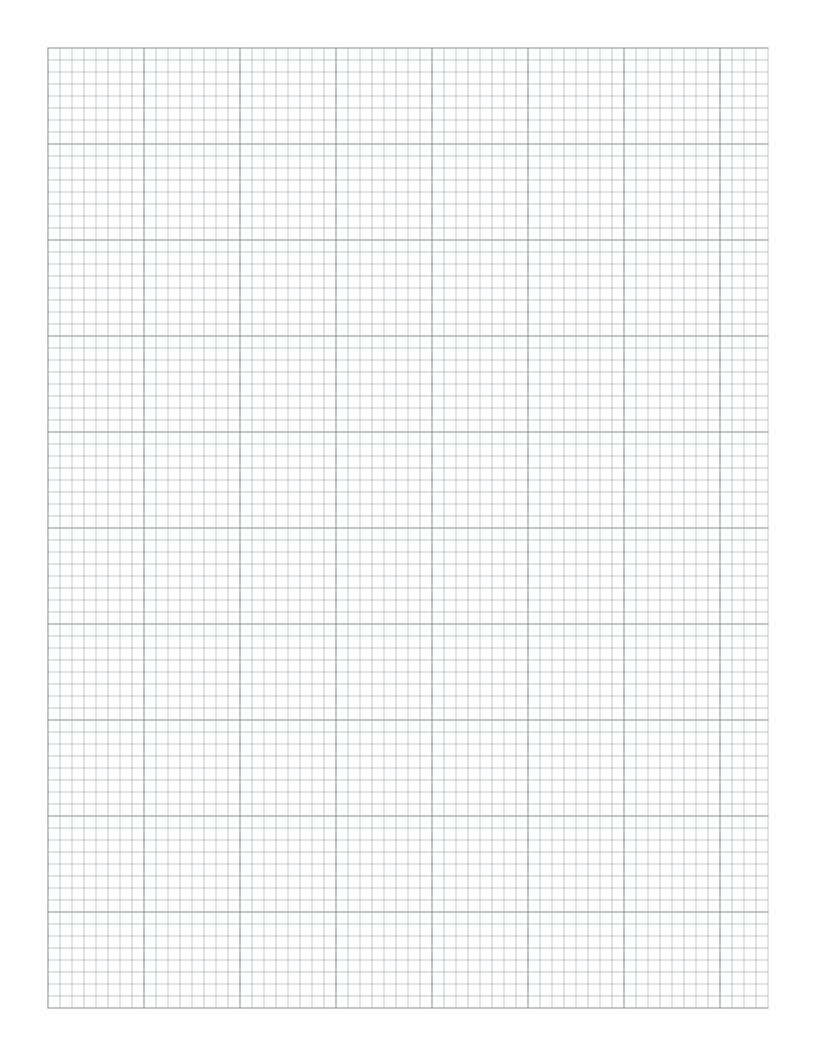
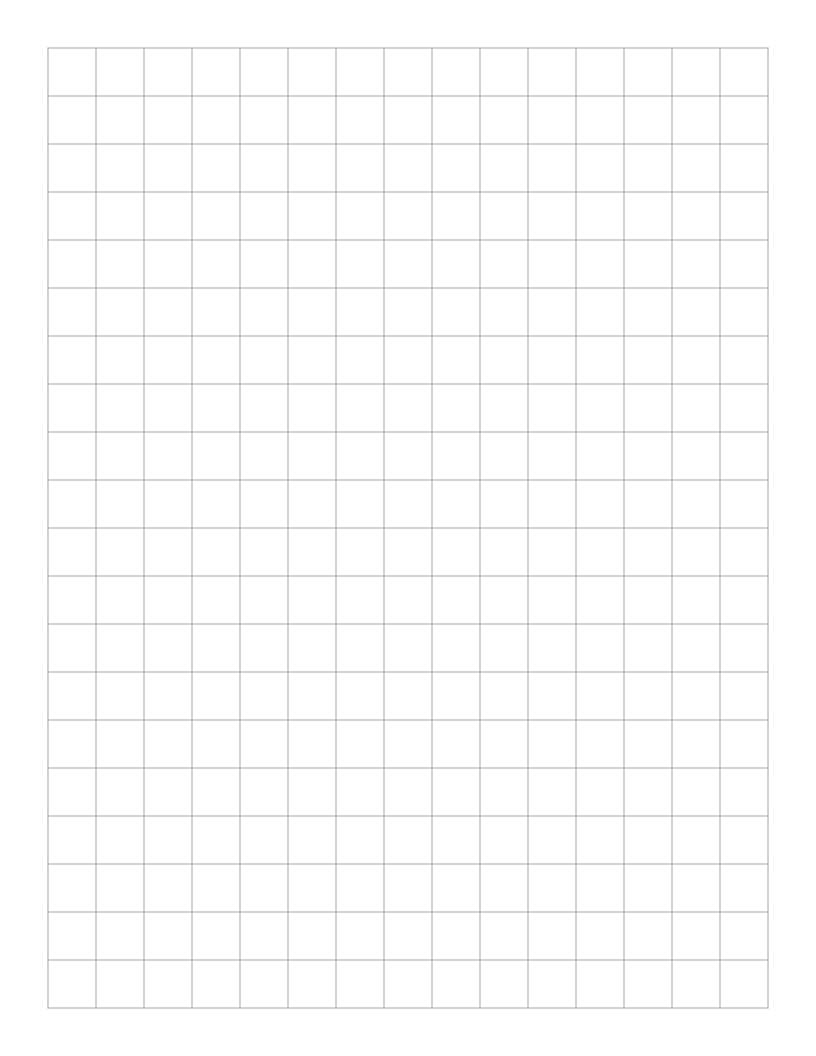
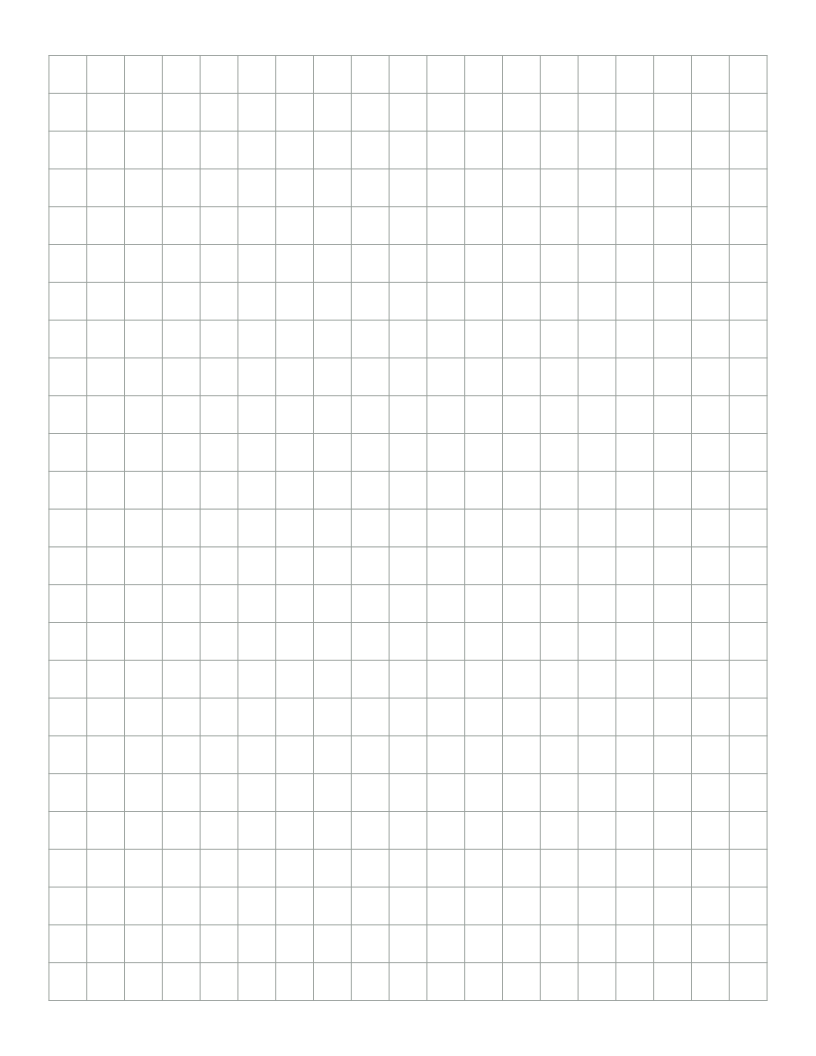
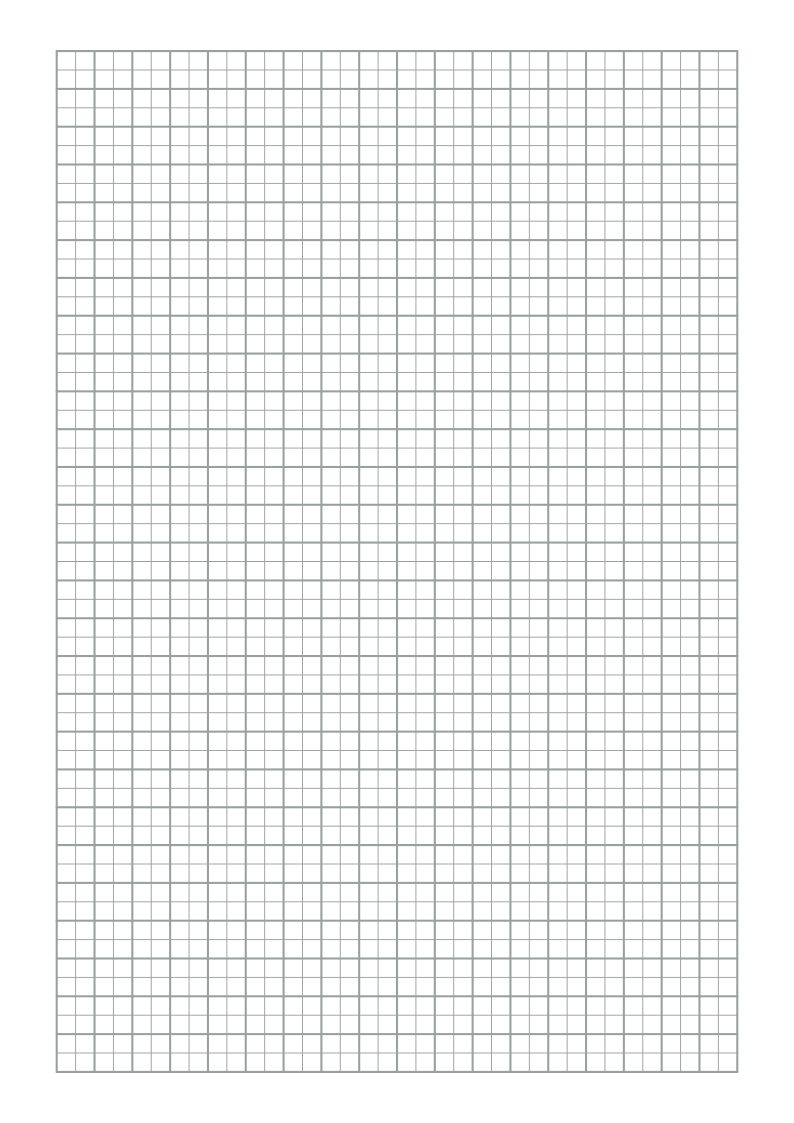
Quarter-inch (4 squares per inch) is the standard for school maths, graphing and floor plans. Five squares per inch is "engineering paper". 1 cm squares suit younger kids and anywhere that uses metric. 5 mm squares are common in European schools and for small, neat diagrams.
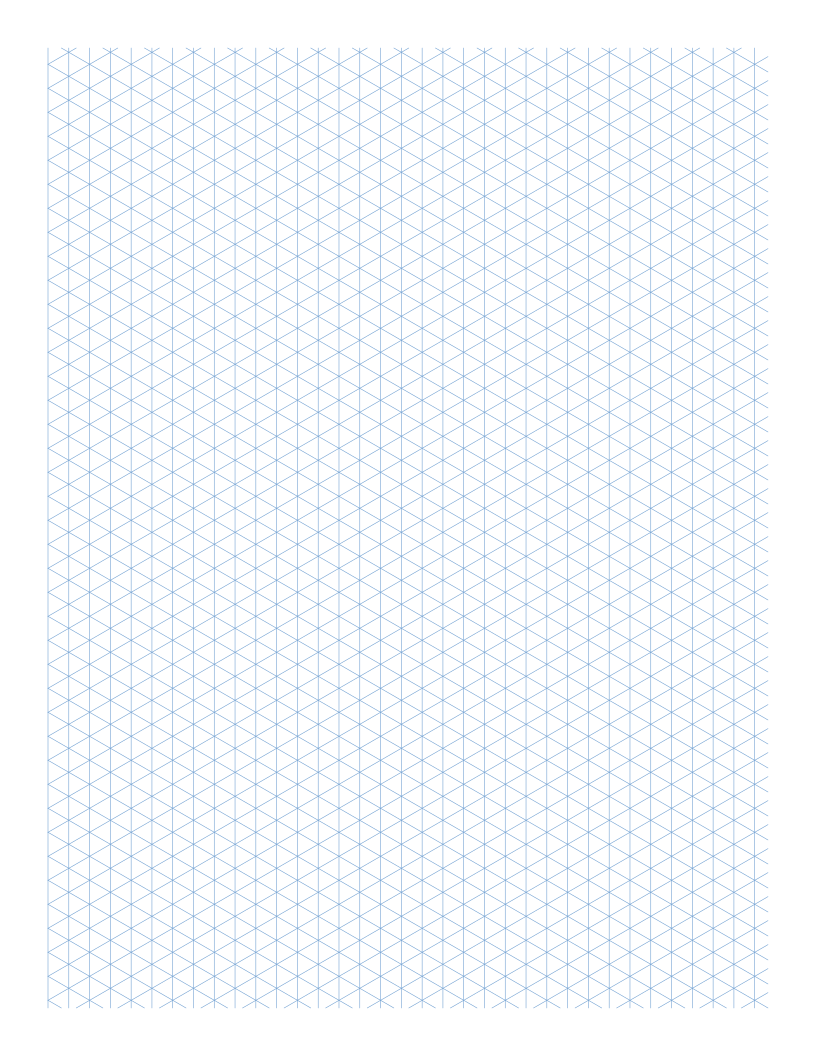
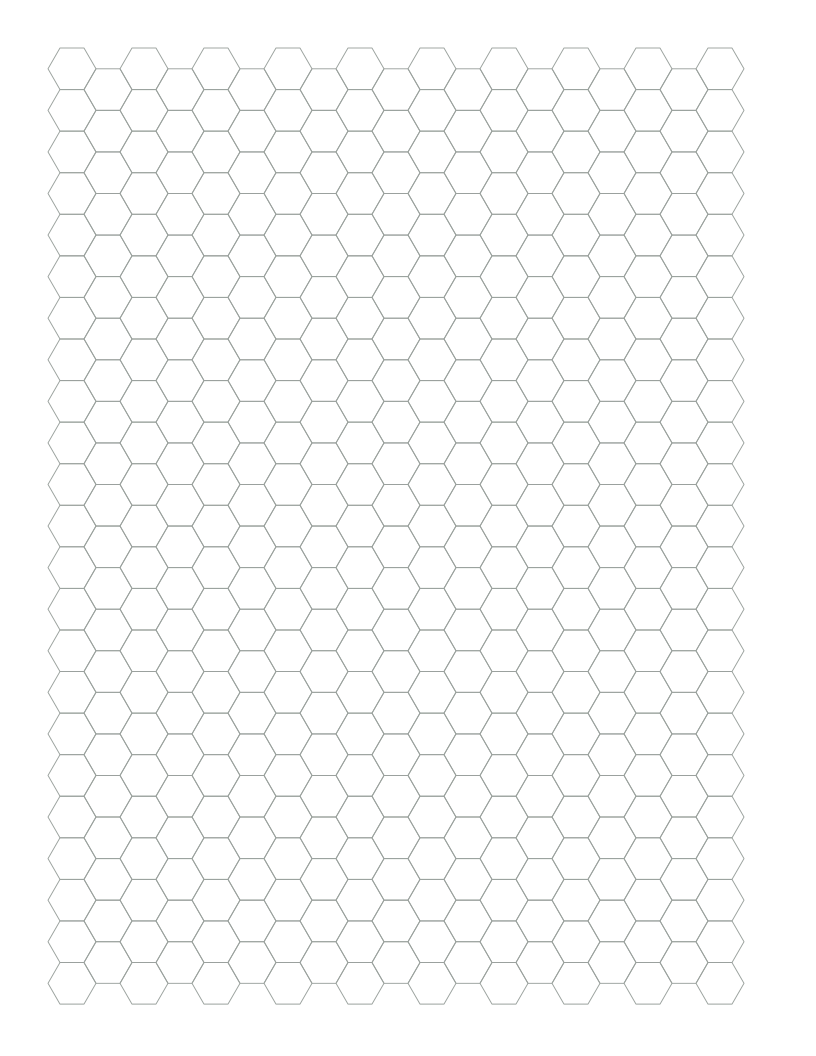
Dot grid is popular for bullet journals and sketching, since the dots guide you without the page looking busy. Isometric paper is for drawing 3D shapes, building plans and game maps. Hex paper is for tabletop games, chemistry diagrams and quilting.
Getting the squares the right size
Browsers sometimes shrink pages to fit "printable area". In the print window, set Scale to 100% (Chrome), or choose "Actual size" (in a PDF viewer). Then measure a few squares with a ruler. They should match exactly.
Frequently Asked Questions
How many squares per inch is standard graph paper?
Four. Quarter-inch graph paper, with 4 squares to the inch, is the standard for US schools.
Why are my printed squares slightly too small?
The print window is scaling the page to fit. Set scale to 100% or "Actual size" and margins to none, then print again.
Can I print graph paper on A4?
Yes. Choose A4 under Paper size. The grid always uses whole squares and centres them on the page.
What is isometric paper used for?
Drawing 3D objects on flat paper. Its lines run at 30 degrees, so cubes and boxes come out at the right angles without measuring.